








Hummus should not be so smooth. Real hummus is a little grainy, a little textured with skin on the chickpeas, a sharp punch of lemon that is just what most people don’t like. Go into ten restaurants that offer Arabic food in Dubai, and perhaps only 3 have it correct.
Nobody complains about the other seven which serve something close to this. But close enough is not the same as correct.
Two Very Different Versions of Arabic Food in Dubai Exist Side by Side
This is worth saying plainly. There’s traditional Arabic cooking and then there’s a soft version geared towards a wider audience. Both exist here. Both have their place.
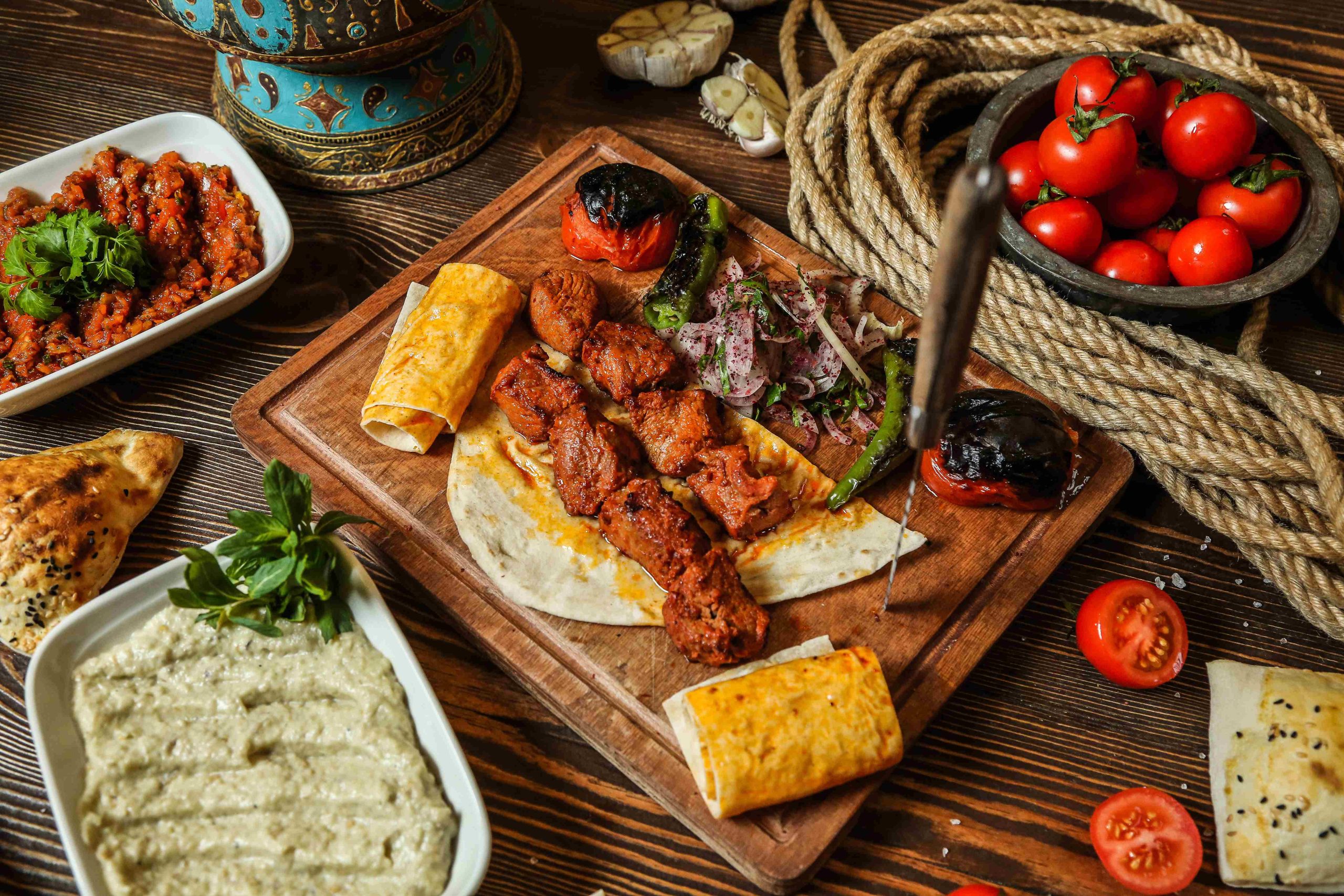
Traditional cooking does not apologize for strong flavor. Sour stays sour. Garlic stays heavy. For a smoky dish such as mutabbal, it isn’t done by hiding the eggplant in a bottle, it’s done by charring the eggplant on the flame.
The adapted version trims all of that down.
Less acid. Less spice. The plating that looks good on the page and the flavour profile that won’t upset anyone.
How the Two Versions Actually Compare
| Element | Traditional | Adapted |
| Spice level | Strong, unapologetic | Toned down |
| Garlic and acid | Heavy | Light |
| Texture | Slightly rough, uneven | Smooth, blended |
| Plating | Plain, functional | Styled for photos |
| Bread | House made, uneven | Often outsourced |
Spotting the Difference on a Menu Before You Order
Regional dish names are a good clue. So is a menu that stays short rather than trying to cover six different Arab cuisines under one roof.
Watch the bread too. House made flatbread, slightly uneven, sometimes a little charred at the edges, almost always beats anything trucked in from a central kitchen.
A long, glossy menu photographing every dish usually signals the adapted route. Authentic kitchens rarely need that many pictures to sell the food.
Why the Adapted Version Still Has Value
None of this makes adapted Arabic food bad. It is good for those who are not familiar with the dish or for first-time visitors who do not like the spice level.
It’s just a different product in the same name. It’s important to know the difference before you make your final choice about which you want on the table.
Where the Traditional Approach Still Holds
Bebek Restaurant keeps things close to the source. Our Arabic food selection does not round off the sharp edges that make these dishes what they are. Strong lemon. Real char. Bread that looks handmade because it is.
Taste tells the story faster than presentation ever does.
FAQs
What signals authentic Arabic food in a Dubai restaurant?
Bold, unbalanced flavor is usually the clearest sign. Real tabbouleh places the emphasis on parsley, and dishes such as mutabbal are flavored with real, smoky char, not some processed version.
Why do some Dubai restaurants soften traditional Arabic recipes?
Strong taste of garlic, heavy acids or strong spices on first encounter might overwhelm broader audiences. Restaurants tweak those aspects to make the food more palatable to those new to the cuisine.
Does adapted Arabic food still count as a good introduction to the cuisine?
It can serve as a good starting point. It will be like a milder and more refined version of their original dishes, rather than a full traditional flavor.